
The True Cost of Delayed Appliance Repairs for Landlords
Delayed appliance repairs increase maintenance costs, tenant frustration, emergency calls, and property risk. Learn how faster service protects your budget and reputation.
Appliance Downtime Is More Expensive Than It Looks

When a washer, dryer, refrigerator, or dishwasher fails, the cost to a landlord extends far beyond the eventual repair invoice. A tenant may need to use a laundromat, replace spoiled food, hand-wash dishes, or rearrange work and family schedules. Those disruptions quickly become a tenant experience issue, especially when the tenant receives vague updates or waits days for an appointment. Repeated delays can also increase complaint volume and create pressure for property managers to offer concessions, reimbursements, or other goodwill payments.
Delayed service creates operational costs as well. Maintenance coordinators spend more time answering status requests, rescheduling appointments, and locating technicians who can return with the correct part. Emergency call volume may rise when a minor failure becomes a serious leak, overheating issue, or food-loss event. In competitive rental markets, residents often judge a property by how quickly essential problems are resolved. Reliable appliance repair is therefore not just a maintenance function; it is part of protecting tenant satisfaction, renewal rates, and the property’s reputation.
A Practical Framework for Measuring the Real Cost
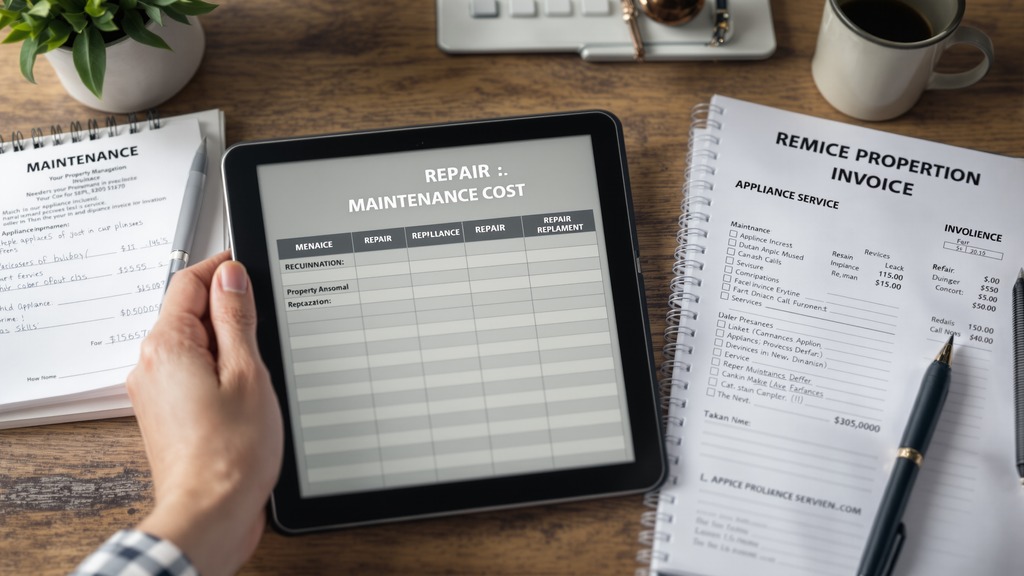
Landlords can compare repair decisions by calculating the full cost of downtime rather than looking only at the service invoice. Start with the direct expense: the diagnostic or visit fee, labor, parts, and any tenant reimbursement. Then add administrative time, emergency dispatch premiums, missed appointments, and the cost of a second visit when the technician lacks the needed part. A fixed-price repair with a credited visit fee can make the final expense easier to forecast, particularly when the diagnosis, warranty, and approved price are documented before work begins.
Next, estimate the cost of delay. Multiply the expected number of downtime days by likely tenant disruption, temporary accommodation, laundry or food-loss reimbursements, and staff follow-up time. Compare that figure with a faster appointment, even if the initial service price is slightly higher. Finally, assess the replacement decision. Repair is often sensible when the appliance is otherwise reliable and parts are available, while replacement may be justified when repeated failures, energy use, age, or warranty limits make future maintenance unpredictable. This framework turns maintenance costs into a measurable business decision.
Faster, More Predictable Service Protects Property Value

The strongest appliance repair process reduces uncertainty at every step. Online booking lets a landlord or property manager describe the problem, select an available two-hour window, and receive clear updates without repeated phone calls. Route-aware dispatch can match the job with a certified technician who carries common washer, dryer, refrigerator, and dishwasher parts. Fewer repeat visits mean less tenant disruption, lower administrative workload, and a faster return to normal household routines.
A clear price confirmation before approval is equally important. When the visit fee is credited toward an authorized repair, landlords can control spending while avoiding the ambiguity that often causes delays. A documented 90-day warranty also creates a useful record for property files and gives managers a defined response path if the same issue returns. Over time, these records can reveal recurring appliance problems and support preventive-maintenance planning. The goal is not simply to fix one broken appliance; it is to build a dependable maintenance system that protects tenant experience, limits emergency call volume, and supports the long-term reputation and profitability of the property.